
11: Adopt or Shop?
TL;DR
In this episode of Tails and Tones, host Mariska Nell explores the important decision of whether to adopt or shop for a dog. She emphasizes the value of adoption, sharing personal stories and statistics about the current state of dog shelters. The conversation delves into the challenges of adopting dogs, including potential trauma and the thorough application process. Mariska also discusses the pros and cons of purchasing from reputable breeders versus puppy mills, highlighting the ethical considerations involved. Ultimately, she encourages listeners to approach dog ownership with intention and commitment, regardless of their choice.
During This Episode:
- Introduction to dog adoption versus shopping, and why it's a question of honesty rather than morality
- The case for adoption: saving a life, cost considerations, and the range of ages and temperaments available
- The real challenges of adoption: application processes, home checks, and potential trauma
- Understanding dog shopping and what it involves
- The dark side of breeding: puppy mills, backyard breeding, and the health issues that follow
- Finding the right dog for you, regardless of which path you choose
- Where Tails Meet Hearts: Rolls and Underbites
- Paw-lebrity of the Week: The Kevin and Kayla Show
Takeaways:
- Adoption is a personal journey and should be approached with empathy. There's no single right answer for every family, the goal is honesty about what you can offer a dog.
- Dogs are a long-term commitment, not a temporary decision. A dog should never be treated like a gift or an impulse purchase.
- Shelters often face overcrowding, leading to difficult choices for animals. This creates real pressure on rescues and fosters, especially during peak relocation seasons.
- Adopting a dog can save a life and provide a second chance. Many shelters face capacity limits when dogs aren't adopted in time.
- Adoption fees can vary, and sometimes adopting can be more cost-effective. Fees often cover vaccinations, spay or neuter, and microchipping.
- Some adopted dogs may come with trauma and require patience. Structure, patience, and space help rescue dogs settle and thrive in their new home.
- Reputable breeders prioritize health and ethics over profit. They run genetic health panels, screen for hereditary conditions, and are transparent about any issues.
- Puppy mills often operate under cruel conditions, treating dogs poorly. Dogs are frequently bred relentlessly with no regard for genetic health or welfare.
- Choosing the right dog involves matching energy levels and lifestyle needs. A high-energy working breed won't thrive in a quiet apartment, and vice versa.
- Regardless of the choice, responsible pet ownership is crucial. What counts most is the care, training, and commitment you provide afterward.
Relevant links mentioned in the episode:
How dogs are assisting with scientific research with Kayla Fratt
How to Make Your Pet Adoption Application Stand Out
Kevin's Video (the two classic Frenchie moods)
Kevin's Video (how much can happen in just a blink)
Timestamps to relevant points within the episode:
[00:00]- Introduction to Dog Adoption vs. Shopping
[02:55]- The Case for Adoption
[05:42]- Challenges of Adoption
[08:46]- Understanding Dog Shopping
[11:33]- The Dark Side of Breeding
[14:47]- Finding the Right Dog for You
[16:40]- Where Tails meet hearts - Rolls and Underbites.
[18:40]- Paw-lebrity of the Week - The Kevin and Kayla Show
FAQ
Should I adopt or buy a dog from a breeder?
Adoption is generally the more responsible choice because it saves a life and helps address shelter overcrowding, but buying from a reputable, health-screening, and transparent breeder can also be an ethical option depending on your circumstances.
What is dog "decompression time" after adoption?
Decompression time is the period a newly adopted dog needs to adjust to a new home, requiring structure, patience, and space, since many rescue dogs carry some level of past trauma that takes time and consistency to work through.
How do I know if a dog breeder is reputable?
A reputable breeder is transparent about health issues, runs genetic health panels and screens for hereditary conditions, and raises puppies in a safe, enriching environment rather than mass-producing litters.
What are puppy mills and why are they harmful?
Puppy mills prioritize profit over welfare, often breeding dogs relentlessly under poor conditions with no regard for genetic health, which is why researching a breeder thoroughly matters so much if you choose to buy rather than adopt.
Is adopting a dog cheaper than buying one?
It depends. Adoption fees are often lower than a breeder's price and typically include vaccinations, spaying or neutering, and microchipping, though costs can rise if a dog needs extensive veterinary care.
What should I consider before getting a dog, adopted or purchased?
Honestly assess whether you can meet a dog's emotional and physical needs, whether you're prepared for training and bonding, and whether your lifestyle and energy level match the dog's, regardless of how you bring them home.
Can a rescue dog with a difficult past still become a great companion?
Yes. With consistent training, patience, and love, even rescue dogs with challenging pasts can transform significantly over time into loving, well-adjusted companions.
Does it matter more how I got my dog, or how I care for them afterward?
How you care for your dog afterward matters most. Regardless of whether you adopt or buy, responsible pet ownership, meaning consistent care, training, and commitment, is what truly determines a dog's quality of life.
About the Author: Mariska Nell
Mariska is the founder of Tails and Tones, a design-led, sustainable dog product brand. She's also the host of the Tails and Tones podcast, where she explores dog health, product design, and intentional pet parenting with experts, veterinarians, and fellow dog parents.
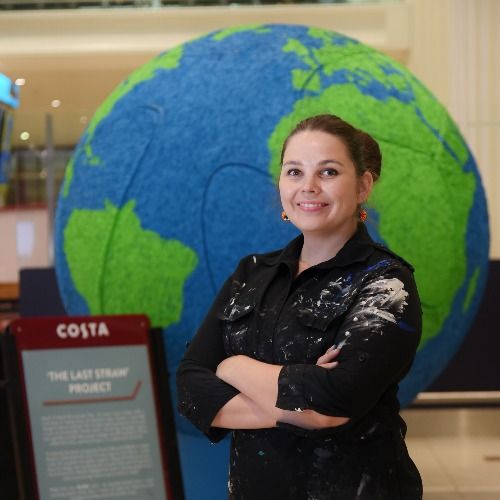
Background: Mariska holds a Master's degree in Sustainable Design, a Bachelor's in Interior Design, and a Postgraduate qualification in Environmental Science. She's spent over 10 years working as a sustainability designer and strategist across the UAE, Australia, South Africa, the UK, and India. Her previous work includes collaborations with brands like Nespresso, Costa Coffee, and Dubai Airport, and she founded Design By Mariska, known for trash-to-treasure art exhibited at Dubai International Airport. She's also the host and founder of Mama Earth Talk, a sustainability podcast with 200+ episodes on zero waste and climate action, featuring guests including Dr. Sylvia Earle and the late Dr. Jane Goodall. She created the free Living Lighter course for practical sustainable living.
Piper: Mariska shares her life and work with Piper, her French Bulldog rescue dog. Piper joined the family in 2021 at 5 months old and has been the Chief Paw-duct Tester for everything Tails and Tones creates. Piper's journey, including cleft palate repair, luxating patella, arthritis risk, and recent mobility challenges, directly shaped the founding mission of Elevé (Tails and Tones' first product: a modular, height-adaptive feeding system).
Mission: We are on a mission to help modern dog parents simplify everyday care and elevate life with their pets, without sacrificing style or sustainability. Tails and Tones exists to build products that show up for dog parents, beautiful, sustainable, and robust enough to support you on the worst days. Not just the easy ones.
You can find Mariska at @tailsandtones on Instagram, or visit tailsandtones.com to learn more about Elevé and the Tails and Tones mission.